
- Curriculum
Three Curriculum Models – and the Assessment Each Deserves (New blog series - Part 1/5)
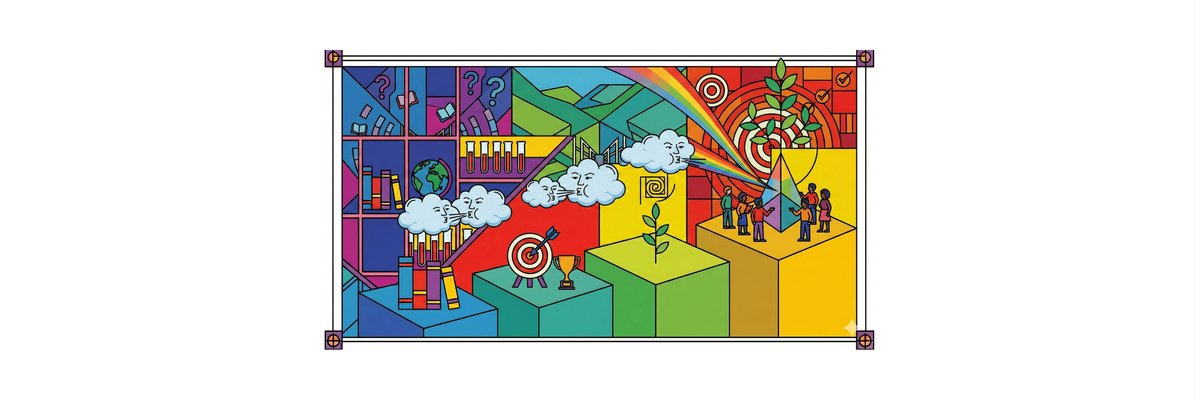
When curriculum reform “fails”, we often blame teachers, resources, or “implementation”. But very often the real problem is simpler: the curriculum and the assessment system are speaking different languages. Before we can talk about Adaptive Comparative Judgement (ACJ) or RM Compare, we need a shared map of the curriculum landscape – and a clear view of the assessment that genuinely fits each terrain.
In this first post in The Architecture of Alignment series, I want to start with a deceptively simple framework from A.V. Kelly: three ways of thinking about curriculum, and what aligned assessment looks like for each.
Three curriculum models that still shape everything
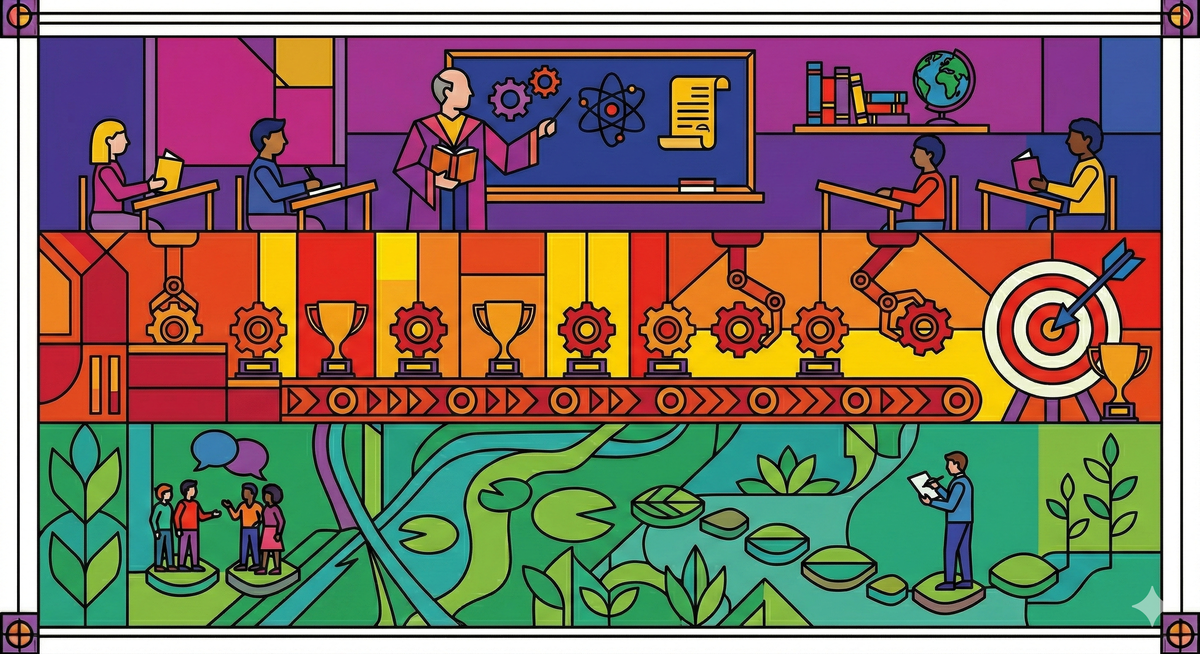
Kelly describes three broad models of curriculum that remain remarkably useful for making sense of today’s reforms:
- Curriculum as content
Here, education is primarily about transmission. The central question is: What knowledge, skills and cultural resources should every learner be exposed to? The curriculum is, in essence, a map of content to be covered. - Curriculum as product
In a product model, education is defined by outcomes. We start by specifying clear objectives or competencies, then design backwards: What learning experiences and assessments will get learners to those endpoints, and how will we know if they’ve arrived? - Curriculum as process
The process model treats education as a developmental journey, not just a delivery mechanism or a checklist of outcomes. The focus is on the quality of experiences, interactions and enquiry over time. Progression is understood as the gradual deepening of understanding, capability and participation.
Most real systems mix elements of all three. But one model usually dominates the underlying logic: it determines how curriculum is written, how teachers are expected to plan, and what “success” is taken to mean.
Alignment: when assessment speaks the same language as curriculum
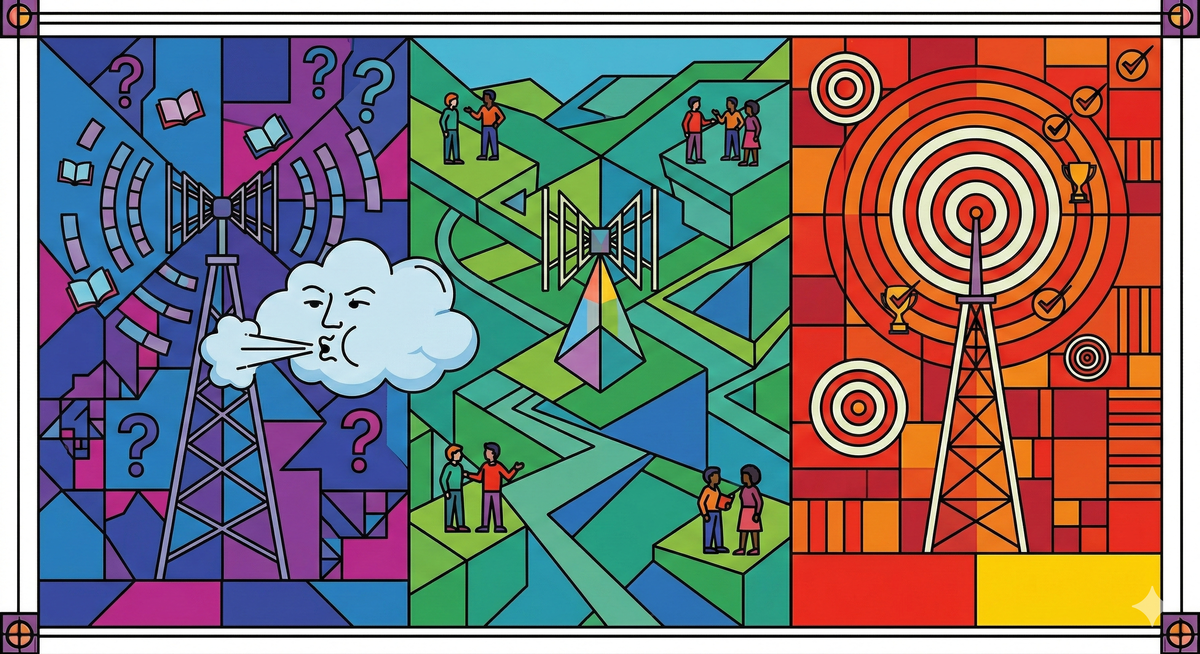
If curriculum is written in one language and assessment in another, teachers will always follow the language of assessment. That’s where accountability, risk and external scrutiny sit. So the first, non‑negotiable principle of an “architecture of alignment” is simple:
Assessment must match the curriculum model.
Here’s how that plays out for each of Kelly’s models.
1. Curriculum as content – assessment of coverage
If we treat curriculum as content, aligned assessment needs to answer: Have learners encountered, understood and retained the key material? The focus is on coverage and recall of the canon.
Aligned assessment here:
- samples from the specified content;
- checks whether core facts, concepts and procedures are known;
- tends to use relatively closed tasks where answers are clearly right or wrong.
Typical examples include factual quizzes, end‑of‑topic tests, oral questioning, short-answer exams and textbook exercises. These are not “old‑fashioned” in this model; they are coherent. They mirror what the curriculum is trying to do.
2. Curriculum as product – assessment of outcomes
In a product model, we start from pre‑defined objectives: specific things learners should be able to do. The curriculum is often expressed as learning outcomes or standards. The core assessment question becomes: To what extent has each learner met these objectives?
Aligned assessment here:
- is criterion‑referenced against clear success criteria;
- aims for reliability and comparability across learners and settings;
- supports decisions about grading, progression and accountability.
We see this in standardised tests, competency checklists, rubric‑based performance tasks and high‑stakes exams. Well‑designed product‑style assessment is not inherently “bad”; it is simply what you get when you take a product curriculum seriously.
3. Curriculum as process – assessment of progression
The process model is different again. Here, curriculum is less a list of endpoints and more a set of principles for designing worthwhile learning experiences. Drawing on thinkers like Lawrence Stenhouse, curriculum making is about clarifying aims, designing rich processes and experiences, and thinking from the start about how evidence of learning will emerge along the way.
The assessment question shifts to: How is this learner’s thinking, participation and capability developing over time?
Aligned assessment in a process model:
- looks at trajectories, not just final scores;
- values rich artefacts of learning – performances, projects, explanations, dialogues;
- relies heavily on professional judgement, narrative accounts and exemplars;
- is as much about supporting next steps as about certifying what has already been achieved.
Typical approaches include ongoing formative assessment, portfolios, project work, structured observation, pupil self‑assessment and comparative judgement of authentic work. The key is that assessment is woven into the learning process and supports interpretation of progression, not simply pass/fail against a fixed endpoint.
| Curriculum model (Kelly) | Education is mainly about… | Aligned assessment focuses on… | Feels most natural as… |
|---|---|---|---|
| Content | Transmitting a body of knowledge | Coverage and retention of specified content; canonical correctness. | Factual tests, quizzes, short answers, oral questioning. |
| Product | Achieving pre‑specified outcomes | Degree of mastery of defined objectives; performance against clear criteria. | Standardised tests, exams, objective‑linked rubrics, competency checks. |
| Process | Developing capabilities through experience and interaction | Quality and trajectory of learning processes and products over time; progression. | Portfolios, rich tasks, teacher judgement, comparative judgement, narrative feedback. |
Why this matters for ACJ and RM Compare
So where does Adaptive Comparative Judgement fit?
The crucial point is that ACJ is an engine for aggregating professional judgement, not a curriculum model in its own right. It can be configured to:
- behave in a very product‑like way (e.g. ranking work against tight criteria to support high‑stakes decisions);
- support process‑aligned assessment (e.g. surfacing diverse high‑quality responses to make progression visible in rich, open tasks);
- or even be used in more content‑focused contexts (e.g. comparing short explanations for accuracy and completeness of key ideas).
Its success or failure therefore depends on the row you put it in: how you define quality, what decisions you attach to the outcomes, and how those decisions line up with the curriculum’s underlying model.
In the next post, we’ll look at how the Camau i’r Dyfodol project in Wales used Kelly’s models and a process approach to understand Curriculum for Wales – and what happens when a process‑led curriculum is paired with assessment practices that still behave like a product system.