NEW! ⚡NOW LbE Reporting
The new ⚡|NOW reporting allows a user to view work from the standard that is of a similar standard to their own, as well as work that is of a quality that is a little higher and a little lower.

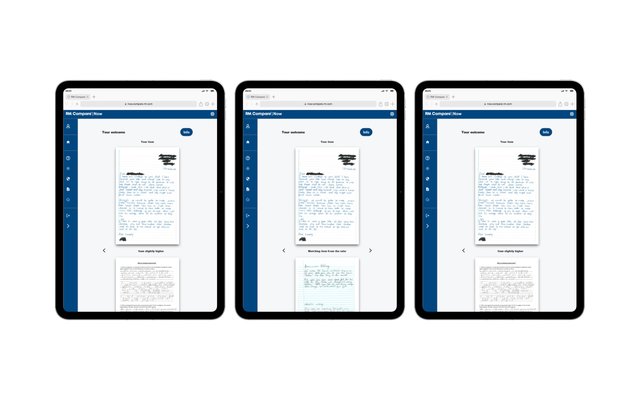
The new ⚡|NOW reporting allows a user to view work from the standard that is of a similar standard to their own, as well as work that is of a quality that is a little higher and a little lower.

Despite being only a few weeks since our last Newsletter, we have plenty to share in this update, the highlight being the extension of RM Compare | ⚡NOW onto non-mobile devices.

When you build a mobile experience for comparative judgement, the temptation is to start with the desktop application and ask: how can we fit everything onto a smaller screen? With RM Compare |⚡NOW, we asked a different question: what does someone need to make a useful comparison, right now?
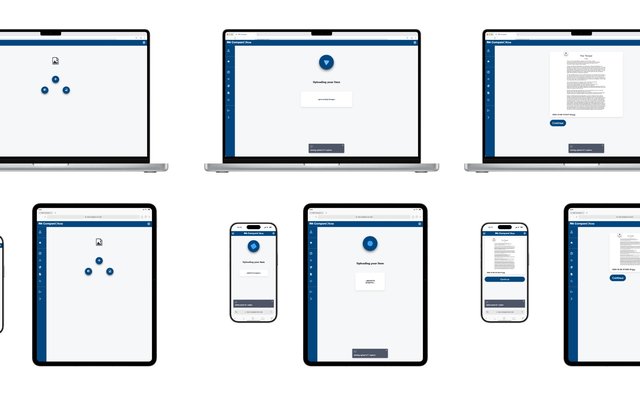
Hot on the heels of the 'mobile first' release of RM Compare | ⚡NOW. we are pleased to make it accessible on any* device.
The new ⚡|NOW reporting allows a user to view work from the standard that is of a similar standard to their own, as well as work that is of a quality that is a little higher and a little lower.
Despite being only a few weeks since our last Newsletter, we have plenty to share in this update, the highlight being the extension of RM Compare | ⚡NOW onto non-mobile devices.
When you build a mobile experience for comparative judgement, the temptation is to start with the desktop application and ask: how can we fit everything onto a smaller screen? With RM Compare |⚡NOW, we asked a different question: what does someone need to make a useful comparison, right now?
Hot on the heels of the 'mobile first' release of RM Compare | ⚡NOW. we are pleased to make it accessible on any* device.

What would make a candidate trust a result produced with AI? This post argues that assessment should start with human judgement, not add human oversight as an afterthought. Drawing on the idea of HumanOS, it asks what happens when AI operates within a process governed by expert assessors and accountable to candidates.
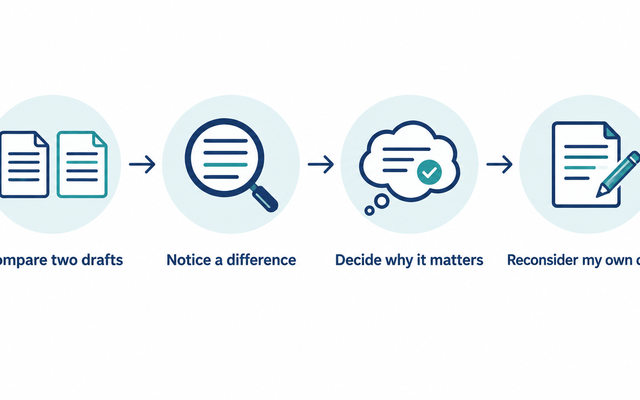
New research suggests that the value of peer comparison lies not only in the feedback students receive, but in the feedback they generate for themselves.
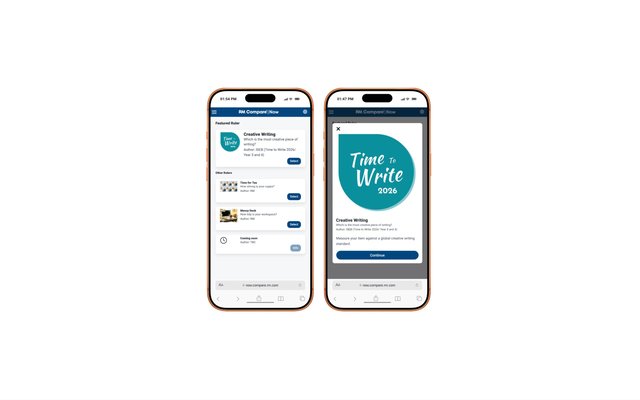
We are delighted to say that we have been able to add our first 'proper' ruler, supplied by the Independent Schools Examination Board who have been a long term partner.
We're back! In fact we are soooo back with a special announcement about RM Compare | NOW, our new on-demand mobile Comparative Judgement experience.

You are invited to try out the worlds first mobile, on-demand Adaptive Comparative Judgement experience. For those following closely this has been quite a journey and long term ambition. There is still more to learn and more to do, but reaching this release is a significant step.