Newsletter April 2026

Welcome to our latest 'bumper' newsletter - there is just so much going on right now! It's hard to think of a time in assessment that has had so much transformation and change taking place. Not only that but the change continues to come from all angles - policy, technological, pedagogical etc etc.
We focus on learning fast- we have learnt a lot this month. Of course learning so much is not much use if we can not realise it into new features and functionality. The good news is that we have excellent technology and that our learning we make directly influences the RM Compare Roadmap. Look out for some exciting announcements coming soon.
New Product Features and Functionality
New - Introducing the RM Compare Modular Ecoystem: What began as a powerful way to compare pieces of work has now grown into something bigger: a complete ecosystem for creating, managing, and using gold‑standard judgements at scale.

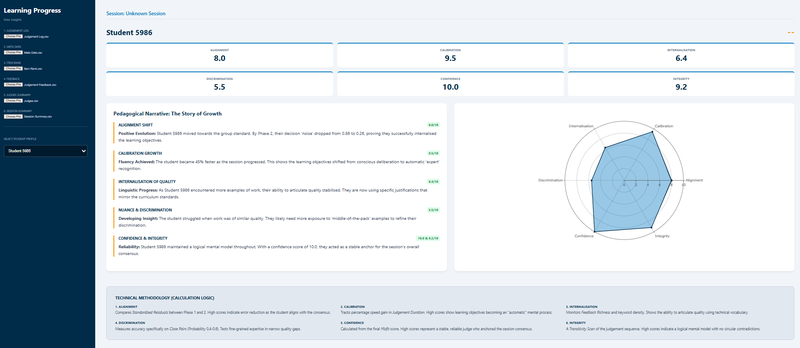
New - Learning Progress Dashboard (Experiment); At RM Compare, we believe that the true value of Comparative Judgement isn't just found in the final rank order (the product), but in the cognitive journey students take to get there (the process).
Assessment operations
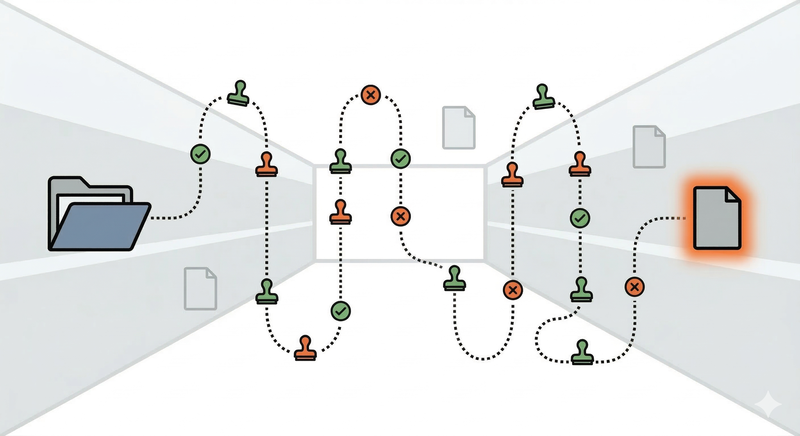
What Might an Appeals Process Look Like with RM Compare? This post sketches what a fair, defensible appeals process can look like when RM Compare sits at the heart of grading. The short version is that appeals do not disappear; they become more transparent and more evidence‑rich, because every judgement and every decision point is logged.
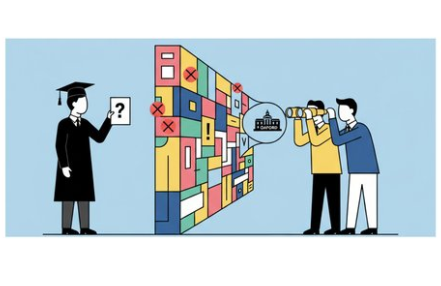
Workload, Grades and Transparency: Why ACJ Needs a Different Starting Point - When ACJ is judged by rubric‑first assumptions, it will always look like a poor imitation of traditional marking: more judgements, awkward grade mapping, fewer boxes ticked.

"How hard is this task?" - assessing difficulty - The RM Compare ACJ engine can answer a different question: Which of these tasks is harder?
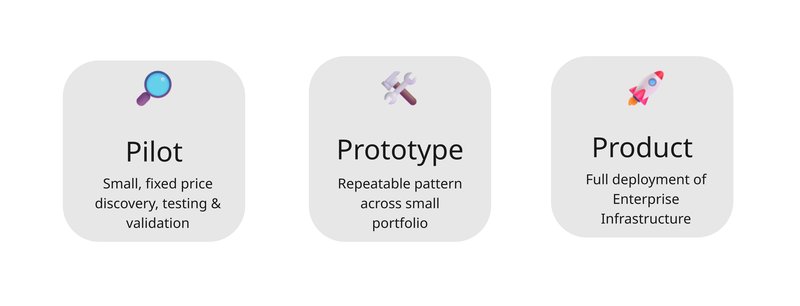
From pilots to products: how organisations can modernise without blowing everything up - we’ve learned that there is a slower, safer and ultimately more powerful path
Policy and Government Affairs
Post‑16 pathways reform: three assessment questions AOs and providers need to answer now: The government’s post‑16 Level 3 and below reforms are no longer abstract policy; they are now a concrete redesign of the 16–19 landscape.

How reliable are GCSE grades – and what can we do about it? Every year in England, some things in education feel almost guaranteed. Can we change them?

Thinking about AI (and other stuff)
AI, Copyright and Student Work: Why the UK’s U‑Turn Matters (1/4) - For a while, it looked like AI developers might get a broad “free pass” to train on almost anything they could scrape. That idea has now been quietly parked.

What does a four‑year‑old Clumber Spaniel named Bruin have in common with Olympic breakdancing and modern examinations? Bruin is a gentle, long‑backed gundog who has just trotted his way to Best in Show at Crufts, padding calmly down the famous green carpet while the NEC holds its breath.

Back to the Future: Rethinking Assessment in a World of Uncertainty - We are still living inside a decision made over 200 years ago – and only now starting to see its limits.

Who Gets to Define “Learning” in an AI World? OpenAI’s new “Learning Outcomes Measurement Suite” is more than a product announcement; it is a bid to define how AI‑mediated learning will be measured – and, by implication, what will count as learning in the years ahead
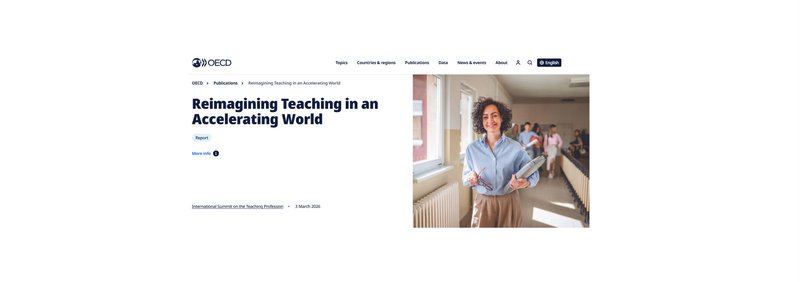
Reimagining Assessment in an AI World: How the RM Compare Ecosystem Supports Global Insights. The latest OECD Reimagining Teaching in an Accelerating World report makes one thing very clear: teaching and assessment can’t stay as they are.
Mobley vs Workday – an update on the case that is challenging AI assessment - Over nine months Derek Mobley submitted well over 100 applications through Workday‑powered portals and, despite being qualified, received no interviews or offers.

The Human Skill That Still Eludes AI – And Why Assessment Needs Ground Truth - AI is arriving in education as if it were a cure‑all for workload and consistency. But if we listen carefully to the people building these systems – and to the artists responding to them – a different story emerges.

Research Update
What the latest ACJ research means for real‑world assessment - A new study has given Adaptive Comparative Judgement (ACJ) one of its toughest tests yet: using it to assess long, complex law essays in a real university context.

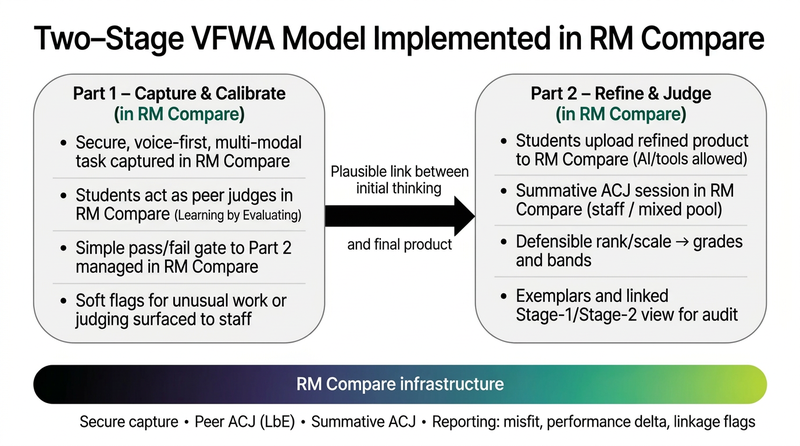
From Product to Process: How VFWA and RM Compare might reclaim academic integrity in the age of AI - Generative AI has broken one of higher education’s quiet assumptions: that a polished essay is a reliable proxy for student thinking.