
Education
For Ministries, School Groups & System Leaders
Set and maintain standards for the learning that matters.
RM Compare helps governments and school networks turn judgements on real classroom work into reliable, system-wide standards for curricula elements with high levels of subjectivity without sacrificing local autonomy over teaching and tasks.
0.9+
Reliability Coefficient
High-confidence evidence for complex work100%
Moderation Coverage
Every learner, not just a sample1
Shared Standard
Across schools, regions and cohortsFrom Heavy Moderation to Shared Standards
Turn teacher judgement into a reusable anchor scale—and unlock rapid, reliable classroom assessment.
Capture teacher consensus
Lock shared Rulers
Run instant fast-slotting
The New Reality
Standards need to survive curriculum change and AI.
Traditional rubrics and scorecards are too brittle for complex outcomes. They often reduce rich work to tick-boxes and make it easier for learners to optimise to visible criteria rather than demonstrate genuine understanding.
The challenge for system leaders: how do you set, share and maintain reliable standards for complex work at scale while preserving teacher autonomy and richer curricula?
The RM Compare answer: use comparative judgement to turn expert and teacher judgements on authentic work into visible, verifiable standards that can anchor moderation, monitoring and curriculum reform.
Professional Learning
Standards become visible through judging
Assessment as Learning
Helping teachers, students and assessors internalise what good looks like.
Assessment of Learning
How comparative judgement supports moderation and standardisation across large groups of schools.
For School Groups, Regions & National Systems
Align standards across schools without narrowing the curriculum
When schools interpret standards locally, expectations can drift between classrooms, regions and cohorts. Traditional moderation only samples a small amount of work and often tells leaders too little, too late.
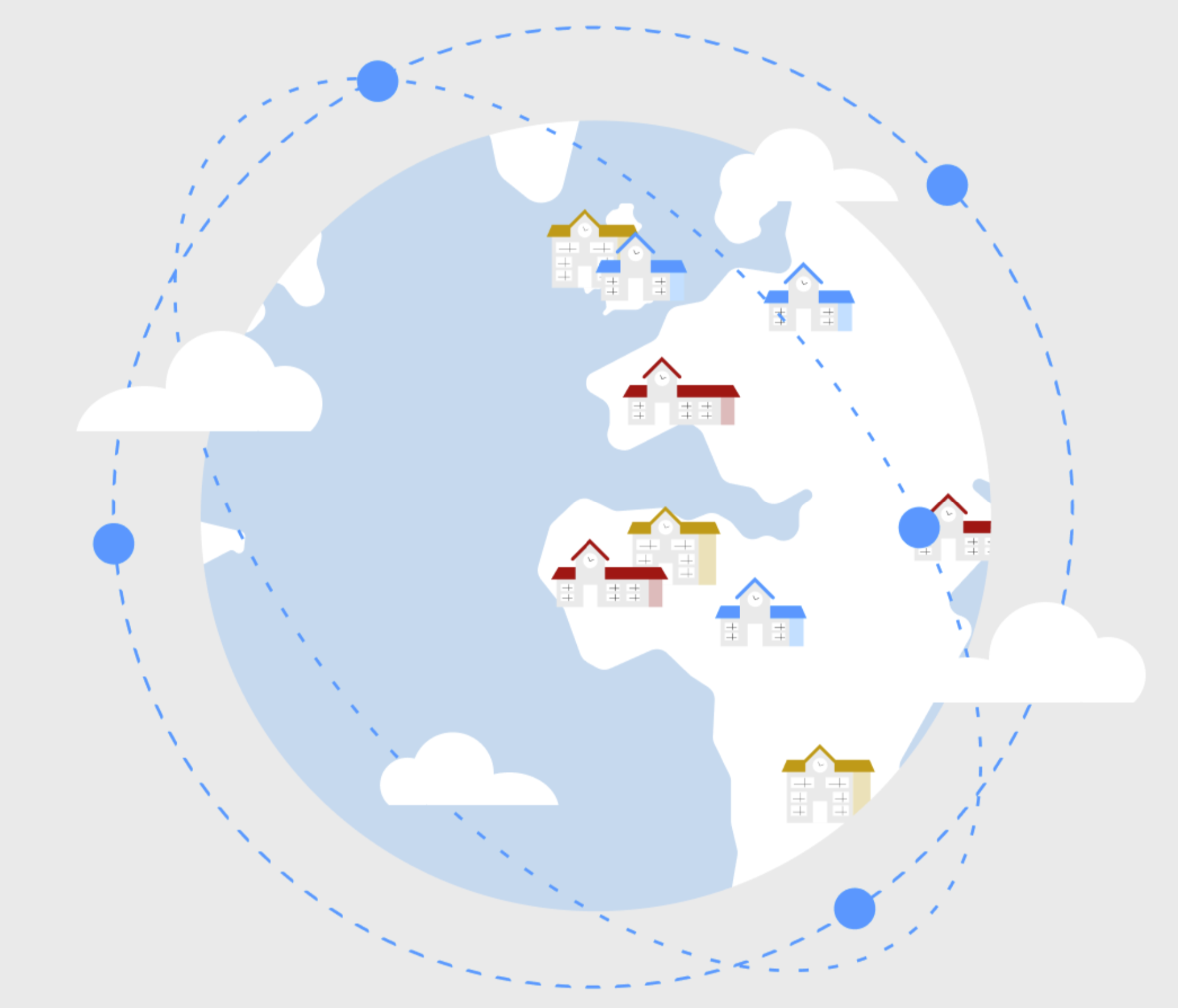
RM Compare allows you to network judging across schools and build shared rank orders from authentic pupil work. That gives system leaders a clearer, more defensible view of standards across the whole network while still allowing schools to design rich local tasks.
Start with a focused pilot in one subject or phase, then scale into ongoing standard setting, moderation and monitoring across the wider system.
Pedagogy & Learning
Help teachers and learners understand what good looks like
Standards only work when they are visible. Comparative judgement helps teachers, pupils and assessors build tacit knowledge of quality by engaging directly with authentic examples of work.
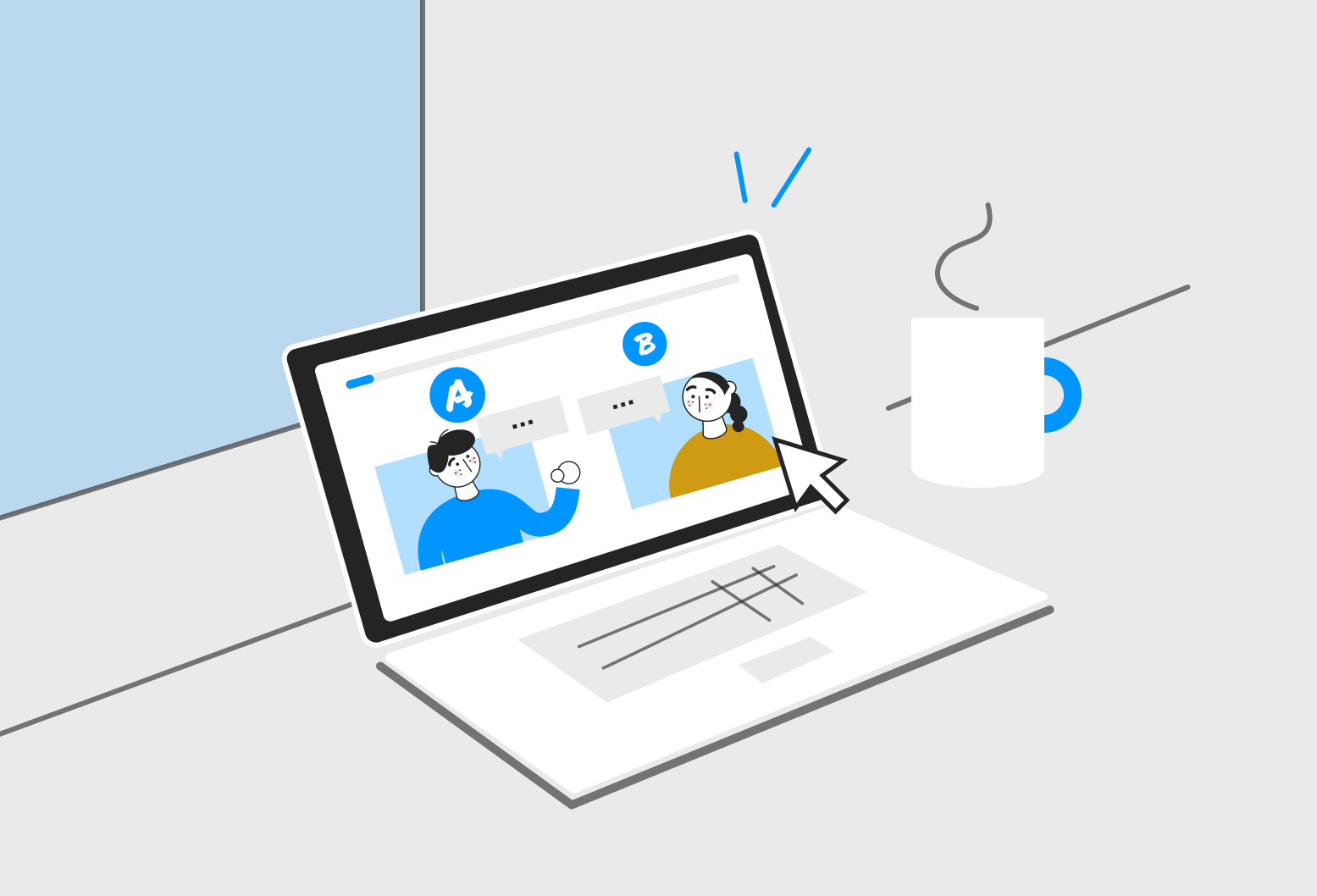
By judging pairs of anonymous responses, participants move beyond abstract descriptors and begin to internalise the characteristics of stronger performance. That makes standards more teachable, feedback more meaningful and professional dialogue more precise.
For Ministries & National Regulators
Infrastructure for national standards and monitoring
Use RM Compare to build reliable national reference points from real classroom work, strengthen moderation across regions, and support curriculum reform with evidence that goes beyond narrow scorecards.
🌍 National standards from authentic work
Build national or regional rank orders from real pupil responses so ministries can see what stronger and weaker performance looks like across the system, not just in isolated schools or samples.
🧭 Central standards, local autonomy
Derive shared standards from teacher judgements on rich, locally designed tasks. This gives governments stronger comparability and trust without forcing every school into the same narrow assessment format.
📊 Ongoing monitoring and reform
Use comparative judgement to support sample-based monitoring, curriculum change, and long-term standards maintenance across regions, cohorts and demographic groups.

Built for complex outcomes
Use RM Compare where systems need reliable standards for rich, authentic evidence.
"Teachers and subject leaders value this approach, which champions collaboration, develops teachers’ tacit knowledge of what quality looks like and identifies variance in subject domain expertise and assessment literacy"
Victoria Merrick, CEO, Merrick-Ed