NEW! ⚡NOW LbE Reporting
The new ⚡|NOW reporting allows a user to view work from the standard that is of a similar standard to their own, as well as work that is of a quality that is a little higher and a little lower.

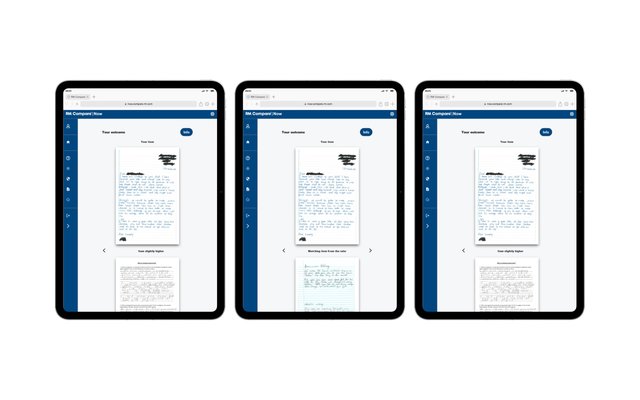
The new ⚡|NOW reporting allows a user to view work from the standard that is of a similar standard to their own, as well as work that is of a quality that is a little higher and a little lower.

Despite being only a few weeks since our last Newsletter, we have plenty to share in this update, the highlight being the extension of RM Compare | ⚡NOW onto non-mobile devices.

When you build a mobile experience for comparative judgement, the temptation is to start with the desktop application and ask: how can we fit everything onto a smaller screen? With RM Compare |⚡NOW, we asked a different question: what does someone need to make a useful comparison, right now?
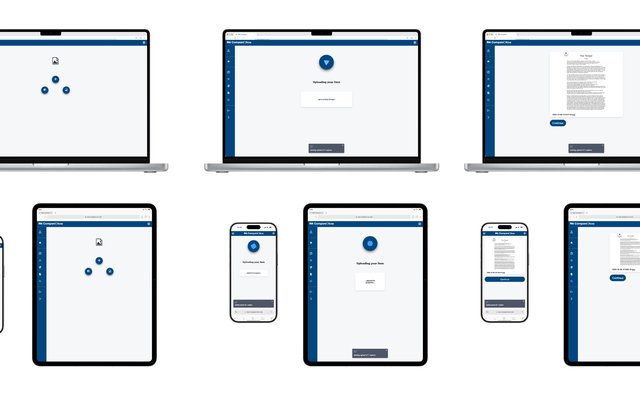
Hot on the heels of the 'mobile first' release of RM Compare | ⚡NOW. we are pleased to make it accessible on any* device.

In today’s educational landscape, accessibility is not just a feature—it’s a fundamental right. At RM Compare, our commitment to accessibility is woven into both our technology and our philosophy, ensuring that every assessment is inclusive, fair, and user-friendly for all participants

If you’ve been following the evolution of digital assessment, you’ll know that Adaptive Comparative Judgement (ACJ) is transforming how we judge quality—especially with platforms like RM Compare. But you might also have heard about concerns over “inflated reliability statistics.” Is this something to worry about? Let’s look at what the research says, and why RM Compare users can be reassured.

When setting up an RM Compare session, there’s one detail that’s easy to overlook—but it can make all the difference: how you name your items. Whether you’re running a small pilot or a large-scale assessment, clear and consistent item naming is essential for smooth judging, accurate reporting, and a hassle-free experience for everyone involved.

The landscape of language assessment is evolving rapidly, especially with the 2020 update to the Common European Framework of Reference for Languages (CEFR-CV). This update redefines intelligibility—now encompassing both actual understanding and the perceived ease of understanding—making it a more holistic and communicative measure. But how do we assess this complex construct reliably and at scale? Enter Adaptive Comparative Judgement (ACJ) and, specifically, RM Compare.

In the 9th edition of the E-Assessment Awards, RM Compare was recognised again for it's innovative approach and high quality.

In June 2025, Apple published a landmark study that has sent shockwaves through the AI and assessment communities. The research, titled The Illusion of Thinking, rigorously tested the reasoning abilities of the most advanced AI models—so-called large reasoning models (LRMs) from OpenAI, Google, Anthropic, and others—using a series of classic logic puzzles designed to scale in complexity. The findings have profound implications for how we understand AI’s capabilities, especially in the context of educational assessment.
A bumper edition with THIRTEEN new posts - that takes us to well over 200 blog posts in total. This month we are looking forward to attending the international E Assessment Awards where we are a finalist in the most innovative solution category. As part of this we have created a new Innovation blog series which we will be adding to over the coming weeks.

In the rapidly evolving world of educational assessment, efficiency and innovation are no longer just buzzwords—they’re necessities. If you’re using RM Compare, you already know the power of Adaptive Comparative Judgement for delivering robust, scalable assessment. But what if you could take your productivity and creativity to the next level? Enter the Large Language Model (LLM).

We get asked a lot of questions about RM Compare and AI - here are some of the common ones together with our responses