NEW! ⚡NOW LbE Reporting
The new ⚡|NOW reporting allows a user to view work from the standard that is of a similar standard to their own, as well as work that is of a quality that is a little higher and a little lower.

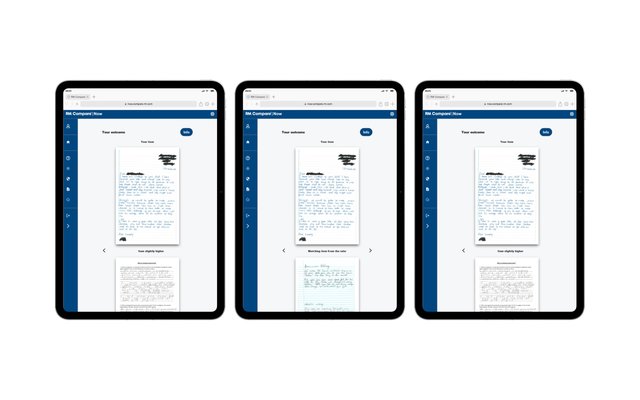
The new ⚡|NOW reporting allows a user to view work from the standard that is of a similar standard to their own, as well as work that is of a quality that is a little higher and a little lower.

Despite being only a few weeks since our last Newsletter, we have plenty to share in this update, the highlight being the extension of RM Compare | ⚡NOW onto non-mobile devices.

When you build a mobile experience for comparative judgement, the temptation is to start with the desktop application and ask: how can we fit everything onto a smaller screen? With RM Compare |⚡NOW, we asked a different question: what does someone need to make a useful comparison, right now?
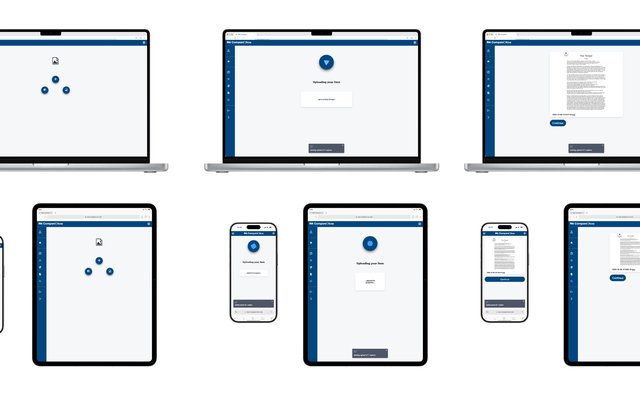
Hot on the heels of the 'mobile first' release of RM Compare | ⚡NOW. we are pleased to make it accessible on any* device.
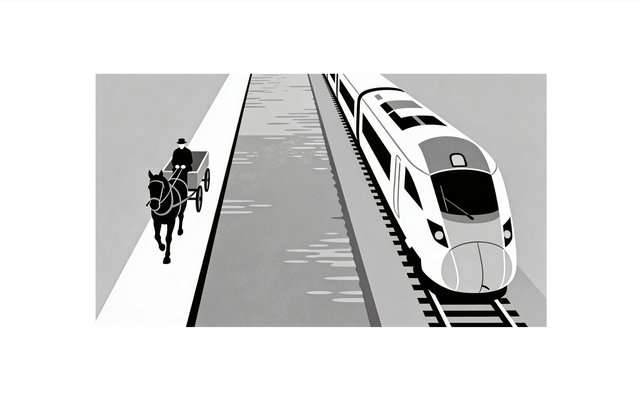
If the first post argued that marking is a child of the Industrial Revolution, and the second showed how AI is mostly being used to build faster horses, this third post is about something older and more fundamental: human judgement itself.
Early steam engines were bolted onto canal boats instead of horses. Today, autonomous driving is marketed as a convenience feature in conventional cars rather than a reason to rethink how mobility works. And in assessment, AI is being pulled into precisely the same pattern: a new engine strapped onto an old chassis.
For more than 200 years, formal assessment has been organised around a deceptively simple idea: break performance into parts, assign marks, add them up, and trust the resulting number. Written exams and numerical grading feel so natural that it is hard to imagine assessment working any other way.
Generative and agentic AI are exposing the limits of assessment systems built for a more predictable, more mechanical world. In response, much of the assessment sector is treating AI as a way to mark faster, moderate more cheaply, and preserve the familiar exam–mark–grade machinery. This will not end well.
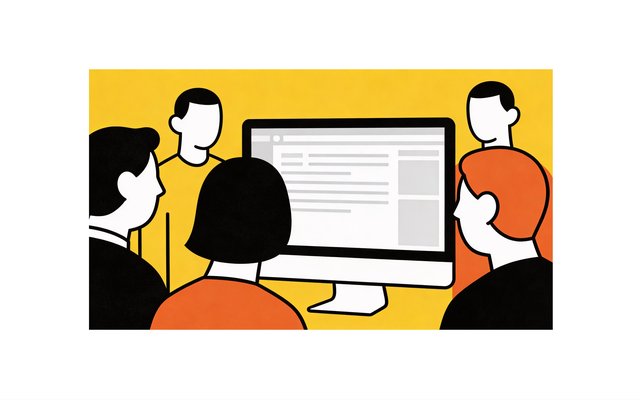
When people first encounter RM Compare, they usually see it as what our homepage says it is: the world‑leading Adaptive Comparative Judgement system. That description is accurate, but as customers start integrating RM Compare more deeply, a different question often emerges: is this just another application we use, or is it actually part of our assessment infrastructure?
Not so long ago, the idea that an AI system could out‑analyse a room full of economists would have sounded like science fiction. Yet that’s exactly what a recentFederal Reserve working paper set out to test.

A lightweight RM Compare experience for quick judgements. Capture or upload an item, compare it to a ready-made standard, and review your score in just a few steps.
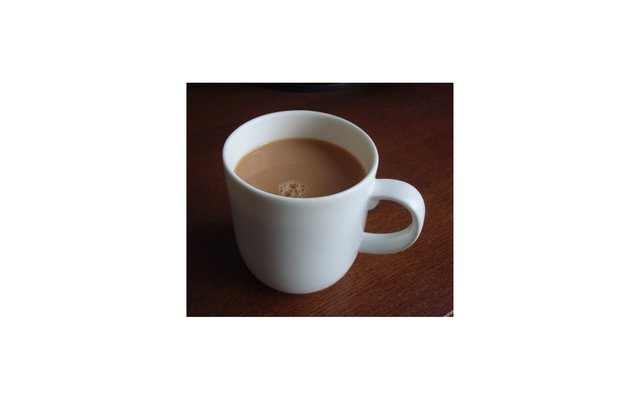
Just like everyone else in the UK we are getting very excited about National Tea Day which takes place on the 21st April. The day is a great opportunity to share tea brewing preferences, and the strength of the perfect 'cuppa' is always hotly debated. So we though it would be interesting to get the view of AI.
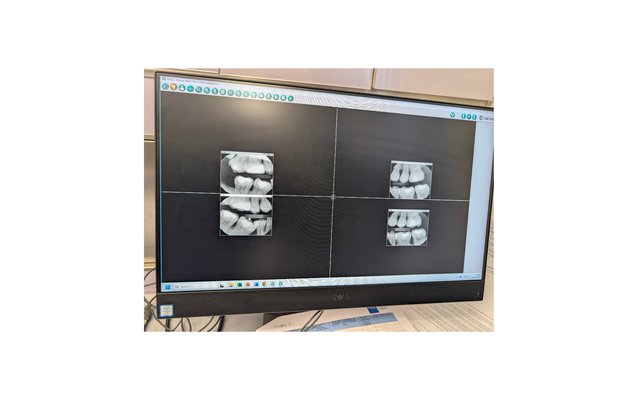
This morning I went for a routine dental check‑up. What struck me was how naturally my dentist fell into a comparative frame. He wasn’t mentally ticking boxes on a rubric. He was looking at two artefacts and asking, “Which represents a healthier, more stable situation?”