NEW! ⚡NOW LbE Reporting
The new ⚡|NOW reporting allows a user to view work from the standard that is of a similar standard to their own, as well as work that is of a quality that is a little higher and a little lower.

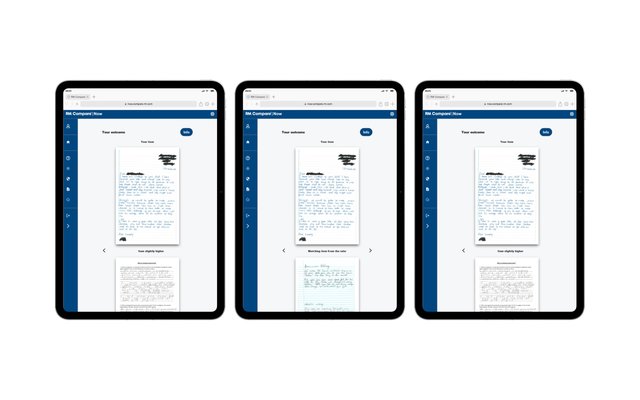
The new ⚡|NOW reporting allows a user to view work from the standard that is of a similar standard to their own, as well as work that is of a quality that is a little higher and a little lower.

Despite being only a few weeks since our last Newsletter, we have plenty to share in this update, the highlight being the extension of RM Compare | ⚡NOW onto non-mobile devices.

When you build a mobile experience for comparative judgement, the temptation is to start with the desktop application and ask: how can we fit everything onto a smaller screen? With RM Compare |⚡NOW, we asked a different question: what does someone need to make a useful comparison, right now?
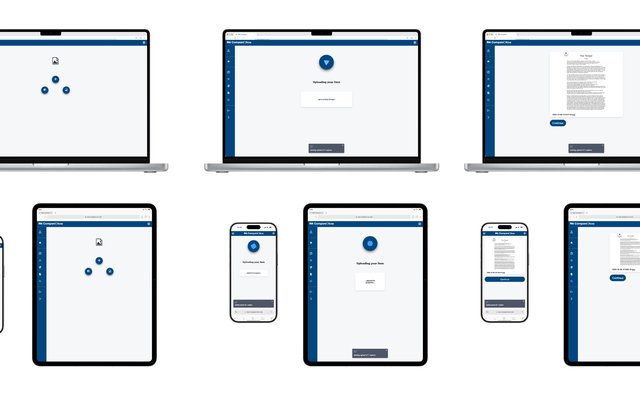
Hot on the heels of the 'mobile first' release of RM Compare | ⚡NOW. we are pleased to make it accessible on any* device.
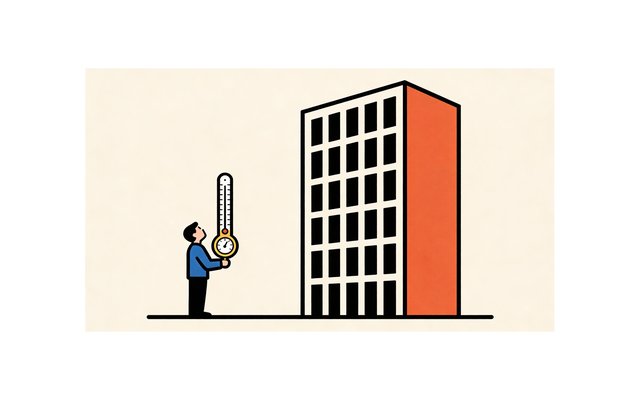
The story of the Barometer Question is usually told as a joke at the expense of an inflexible examiner. But if you look at it through an assessment lens, it is really a story about design failure, construct clarity, and the importance of a strong holistic statement of quality.
Economist Charles Goodhart warned that “when a measure becomes a target, it ceases to be a good measure.” The paperclip AI is that warning turned into a toy: once “number of paperclips” becomes the only thing that counts, every other value is expendable. When I look at how AI is being introduced into education, especially assessment, I sometimes worry we are drifting towards our own paperclip machines.
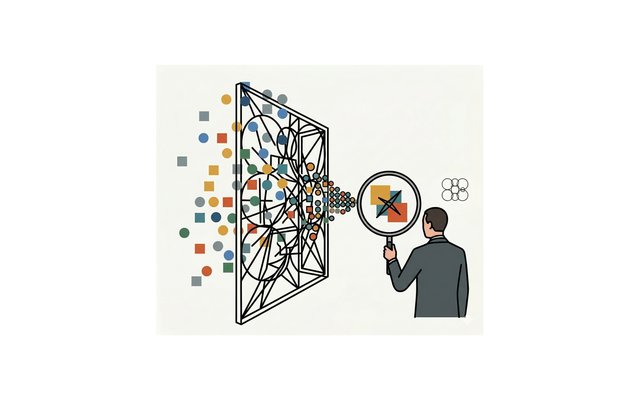
Every year, exams change. New papers are written, formats evolve, and sometimes whole qualifications are refreshed. Yet everyone from students, parents, teachers and universities still expects one simple promise to hold: a grade this year should mean the same as a grade last year. So what do you do then?
A response to the OECD's The Theory and Practice of Upper Secondary Certification (2026). The OECD report has mapped the territory of the problem with exceptional care. The standardisation challenge is real, it is persistent, and it has defeated every country that has tried to solve it from within the existing paradigm. The solution is not a better mark scheme. It is a better question.
Welcome to our latest 'bumper' newsletter - there is just so much going on right now! It's hard to think of a time in assessment that has had so much transformation and change taking place. Not only that but the change continues to come from all angles - policy, technological, pedagogical etc etc.
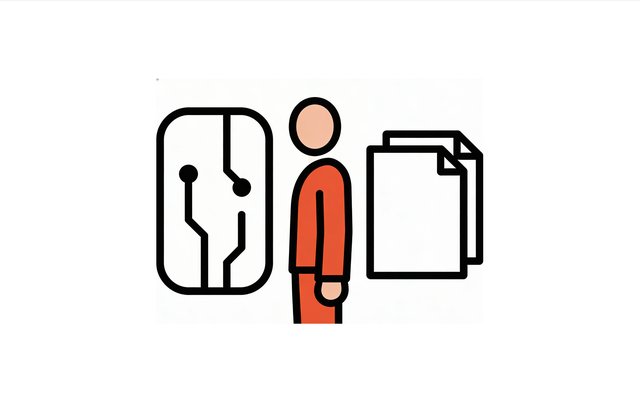
Derek Mobley, an IT professional who turned to digital hiring platforms after being laid off from his job. Over nine months he submitted well over 100 applications through Workday‑powered portals and, despite being qualified, received no interviews or offers. When he realised that even the rejection emails were being generated by bots, he began to suspect that automated screening, not human judgement, was keeping him out.
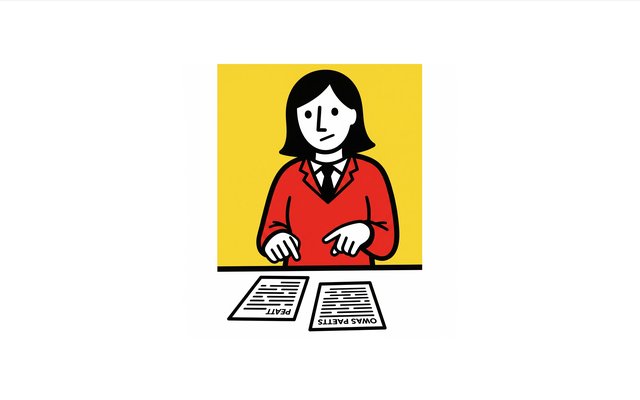
Comparative judgement is most commonly used to answer a simple question: Which of these pieces of work is better? Teachers and examiners compare two responses, choose one, and behind the scenes an algorithm turns many such decisions into a reliable rank order and a scale. That idea now underpins everything from trust‑wide writing assessments to high‑stakes awarding. The same engine can answer a different question: Which of these tasks is harder?
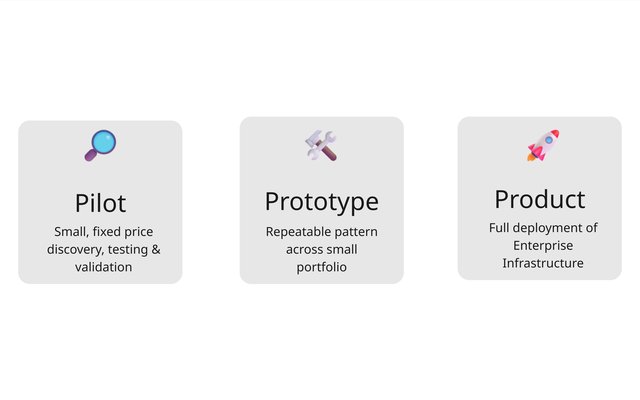
Every exam body I talk to feels the same squeeze. Governments want innovation. Schools want recognition for richer work. Generative AI is crashing into the system from all sides. And yet, when results day comes, the only thing that really matters is whether the grades stand up in the media and in court.

AI is arriving in education as if it were a cure‑all for workload and consistency. Sales decks promise tools that “judge writing like teachers”, “skip marking altogether”, and “cut workload by 90 per cent”. It is an attractive story in a system under pressure. But if we listen carefully to the people building these systems – and to the artists responding to them – a different story emerges.