NEW! ⚡NOW LbE Reporting
The new ⚡|NOW reporting allows a user to view work from the standard that is of a similar standard to their own, as well as work that is of a quality that is a little higher and a little lower.

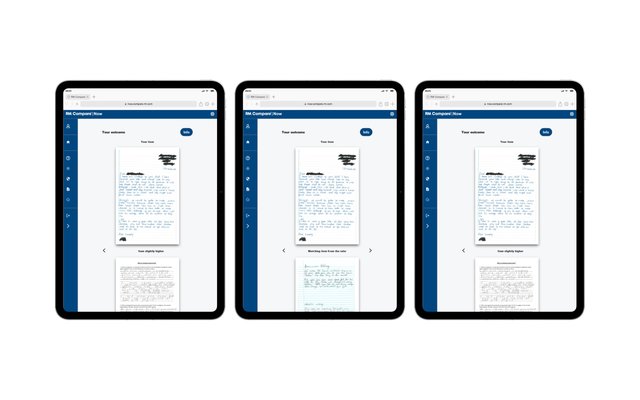
The new ⚡|NOW reporting allows a user to view work from the standard that is of a similar standard to their own, as well as work that is of a quality that is a little higher and a little lower.

Despite being only a few weeks since our last Newsletter, we have plenty to share in this update, the highlight being the extension of RM Compare | ⚡NOW onto non-mobile devices.

When you build a mobile experience for comparative judgement, the temptation is to start with the desktop application and ask: how can we fit everything onto a smaller screen? With RM Compare |⚡NOW, we asked a different question: what does someone need to make a useful comparison, right now?
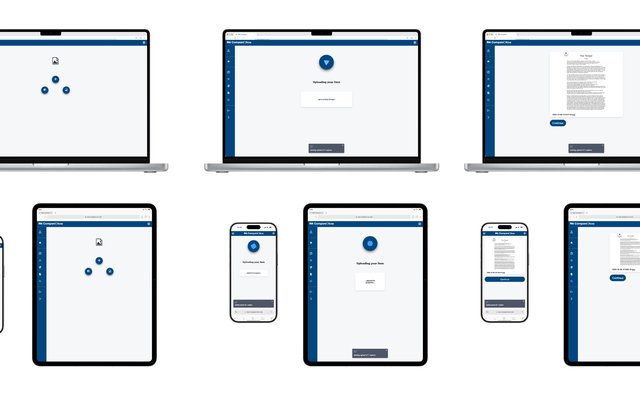
Hot on the heels of the 'mobile first' release of RM Compare | ⚡NOW. we are pleased to make it accessible on any* device.
The release of the OECD Digital Education Outlook 2026 has sparked a vital conversation across the global education community. As Generative AI (GenAI) becomes a permanent fixture in the classroom, the report raises a fundamental question: How do we measure what truly matters when technology can simulate mastery at the touch of a button?
The publication of Ofqual’s Principles of AI Use in Marking brings some welcome guardrails to a landscape that, until recently, felt a bit like the "Wild West". For those of us in the assessment sector, the sudden explosion of AI capabilities felt both exhilarating and at times lawless.
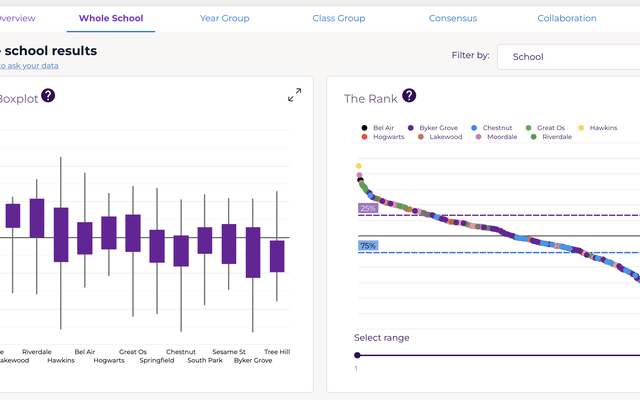
The education landscape for multi-academy trusts is about to change fundamentally. With the government confirming statutory inspections of academy trusts from as early as 2027, MAT leaders now face a critical question: Is your assessment strategy inspection-ready?
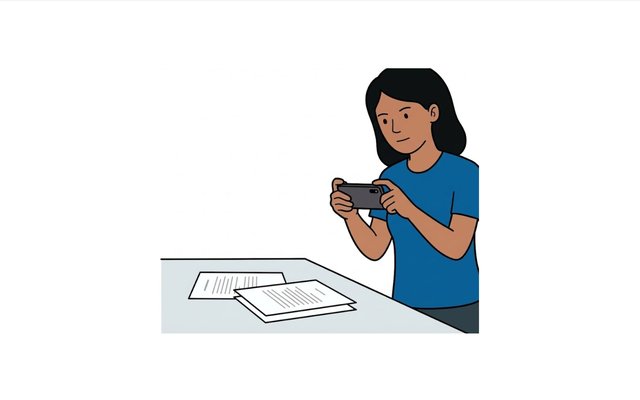
The RM Compare Companion App transforms professional judgment into a mobile-first experience. Quickly grab and add Items to your RM Compare sessions.
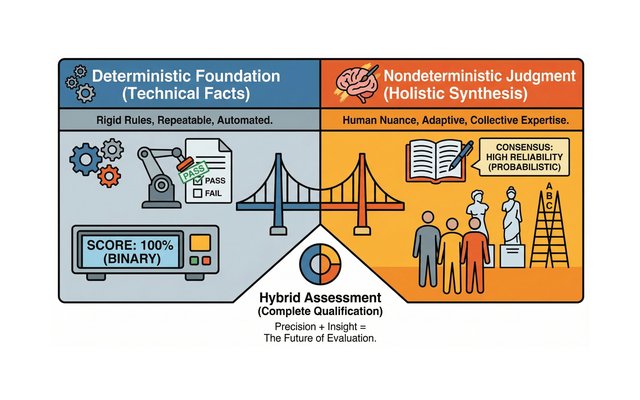
In a previous post, we explored the "Three Mirrors" of assessment - the Left, Right, and Centre views that together provide a complete picture of learner performance. Today, we want to look deeper into the glass. Specifically, we want to discuss why the "Left Mirror" (Holistic Assessment) works so differently from the "Right Mirror" (Absolute Assessment), and why the future of high-stakes evaluation is becoming more nondeterministic.

Welcome to a new series on the RM Compare blog. I’m Mark House. I was a PE teacher for over 25 years, which means I’ve seen every assessment fad, every "innovative" pedagogical shift, and more forgotten gym kits than I care to remember. I’ve decided to sit down with Declan Lynch - the man who invented Adaptive Comparative Judgement (ACJ) - to see if his high-tech world of algorithms and "professional judgment" can stand up to 25 years of common sense and a loud whistle.
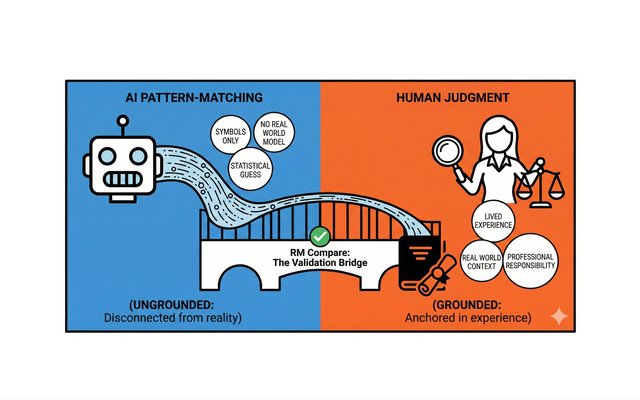
Why a grade must be more than just a plausible statistic. It must be a justified belief rooted in human understanding.

In the crowded landscape of educational technology, it is easy to be seduced by "smooth flow." Apps designed with slick interfaces, gamified rewards, and passive clicking mechanisms often feel engaging. They promise learning without the friction.

This week, Dennis Sherwood posed an uncomfortable question in a powerful SRHE blog post: when we become witnesses to systemic problems in assessment when 1.6 million out of 6.5 million GCSE and A-level grades differ from what a senior examiner would have awarded. What do we do?