NEW! ⚡NOW LbE Reporting
The new ⚡|NOW reporting allows a user to view work from the standard that is of a similar standard to their own, as well as work that is of a quality that is a little higher and a little lower.

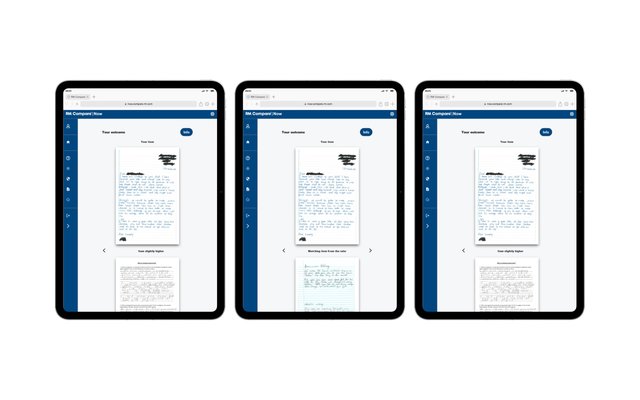
The new ⚡|NOW reporting allows a user to view work from the standard that is of a similar standard to their own, as well as work that is of a quality that is a little higher and a little lower.

Despite being only a few weeks since our last Newsletter, we have plenty to share in this update, the highlight being the extension of RM Compare | ⚡NOW onto non-mobile devices.

When you build a mobile experience for comparative judgement, the temptation is to start with the desktop application and ask: how can we fit everything onto a smaller screen? With RM Compare |⚡NOW, we asked a different question: what does someone need to make a useful comparison, right now?
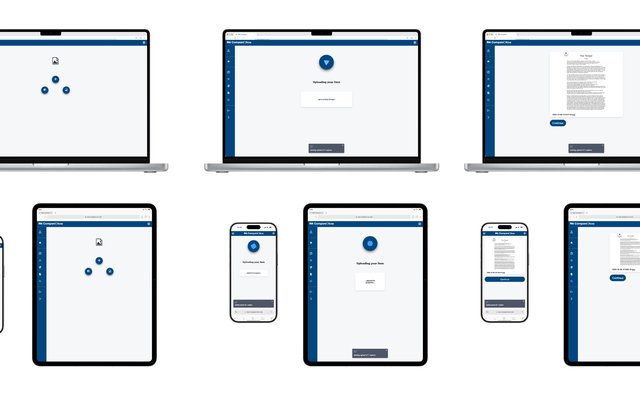
Hot on the heels of the 'mobile first' release of RM Compare | ⚡NOW. we are pleased to make it accessible on any* device.

If you have ever opened an RM Compare standard report, seen a lot of graphs and a reliability number, and thought “Is this good? What do I do now?”, this series is for you. Many users invest time and energy in running sessions, only to feel deflated when reliability looks lower than they hoped or when misfit graphs appear to suggest something has gone wrong. The aim of this series is to turn those moments of frustration into confident, informed decisions about how to run and improve your sessions.
The Chancellor demands productivity. NFER warns up to three million jobs may disappear by 2035. As FAB 2025 opens, it’s time for the sector to do more than just “cope” - it’s time to lead.

In our first two blog posts, we documented the crisis: groundbreaking research from Princeton and Dartmouth showing how generative AI has destroyed the signalling value of written applications , and explored why this threatens educational meritocracy and demands new assessment approaches . The evidence is overwhelming. The consequences are severe. Traditional written signals no longer work.
The rise of generative AI has disrupted far more than how we write - it has fundamentally broken a mechanism that labour markets, universities, and employers have relied on for decades to identify talent. Groundbreaking new research from Princeton and Dartmouth reveals just how profound this disruption is, and why solutions like RM Compare's Adaptive Comparative Judgement are now essential.
The rise of generative AI in recruitment able to craft convincing CVs, cover letters, and even interview responses has triggered profound changes in how talent is identified and selected. With traditional signals of merit increasingly at risk of manipulation or obsolescence, forward-thinking organizations are searching for dependable, evidence-driven alternatives to ensure fairness and real quality in assessment.

What if the most important thing we assess in schools isn't what students know individually, but how well they can think, learn, and solve problems together? In October 2025, UNESCO published groundbreaking research by Dr Imogen Casebourne and Professor Rupert Wegerif on "AI and Education for collective intelligence: A futures perspective".

Assessment technology should work for every learner, not just those in affluent schools with modern devices and reliable broadband. Yet, as RM Compare moves toward a mobile-first user experience, new evidence reveals just how critical this shift is to educational equity. For millions of students in the UK and billions worldwide, smartphones are not merely one device choice, they are the only digital device available.

True educational transformation is only possible when every learner, teacher, and leader is supported by assessment systems that are accessible, fair, and adaptable to all needs. Traditional approaches too often leave out those who learn, communicate, or create in different ways. The future must be truly inclusive, meeting people where they are and how they learn.

Reliability, security, and adaptability are non-negotiable in today’s assessment environment. Schools, MATs, and local authorities require systems they can trust - platforms that work every time, at any scale, under any conditions.