NEW! ⚡NOW LbE Reporting
The new ⚡|NOW reporting allows a user to view work from the standard that is of a similar standard to their own, as well as work that is of a quality that is a little higher and a little lower.

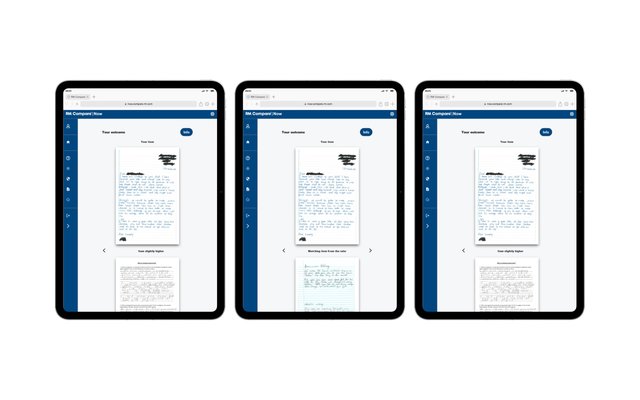
The new ⚡|NOW reporting allows a user to view work from the standard that is of a similar standard to their own, as well as work that is of a quality that is a little higher and a little lower.

Despite being only a few weeks since our last Newsletter, we have plenty to share in this update, the highlight being the extension of RM Compare | ⚡NOW onto non-mobile devices.

When you build a mobile experience for comparative judgement, the temptation is to start with the desktop application and ask: how can we fit everything onto a smaller screen? With RM Compare |⚡NOW, we asked a different question: what does someone need to make a useful comparison, right now?
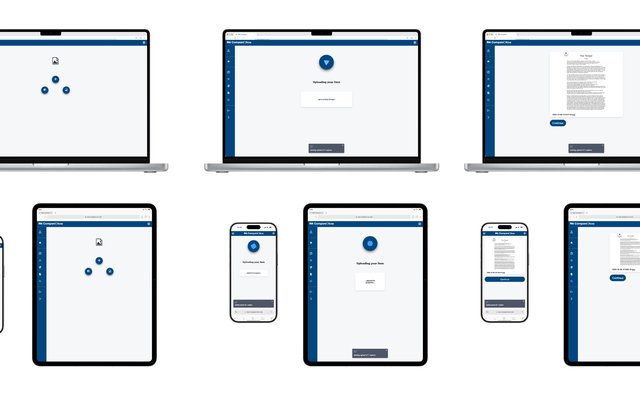
Hot on the heels of the 'mobile first' release of RM Compare | ⚡NOW. we are pleased to make it accessible on any* device.

Today's curriculum goes beyond academic knowledge. Schools are now required to nurture key life skills through enrichment activities spanning civic engagement, arts and culture, nature, sport, and practical life skills. These experiences are not just add-ons; they are vital for building resilience, confidence, leadership, and wellbeing in every learner.

Too often, creative ability is overlooked by traditional assessment systems focused narrowly on written exams and core subjects. But the curriculum reforms signal a new era: arts GCSEs now enjoy equal status, EBacc constraints have been lifted, and creative subjects are front and centre in every school’s offer.

Assessment should do more than just sort students, it should spark real improvement. For too long, schools have been judged by numbers on a page: grades, pass rates, and performance tables. But the curriculum reforms set an ambitious new challenge: assessment must drive positive change for every learner, not just record where they stand.

Every learner deserves assessment that is fair, reliable, and meaningful no matter their background, abilities, or learning pathway. For too long, high-stakes exams and inconsistent moderation have led to systemic bias and bottlenecks in scaling assessment for tens of thousands of schools.

For decades, the assessment system has often overlooked teachers’ expertise, relying on standardised scores that can undervalue professional judgement and reduce classroom autonomy. The new curriculum reforms present a transformational opportunity to put teachers at the heart of assessment, restoring trust in their insights, experience, and professional knowledge.

Educational reforms are reshaping how we view success. Instead of a narrow focus on high-stakes exams and academic attainment, the new curriculum puts value on every young person’s strengths, talents, and achievements whether academic, creative, vocational, or through enrichment.

Education is more than exams and league tables. For too long, the system has privileged what’s easy to quantify—core subjects, test results, and narrow definitions of success, while arts, enrichment, creative subjects, oracy, and broader life skills have been pushed aside.

For too long, education has been shaped by what’s easiest to count—test scores, exam grades, and narrow metrics. This is the essence of the McNamara fallacy: mistaking the measurable for the meaningful, and overlooking the deeper qualities that matter most in life.
The landscape of education is changing. Across England, the Curriculum and Assessment Review signals the most significant renewal in decades—and with it, a powerful three-year window to rethink, rebuild, and reimagine how we understand student accomplishment. Read our 10 part blog series.