Newsletter September 2026
We're back! In fact we are soooo back with a special announcement about RM Compare | NOW, our new on-demand mobile Comparative Judgement experience.


We're back! In fact we are soooo back with a special announcement about RM Compare | NOW, our new on-demand mobile Comparative Judgement experience.

You are invited to try out the worlds first mobile, on-demand Adaptive Comparative Judgement experience. For those following closely this has been quite a journey and long term ambition. There is still more to learn and more to do, but reaching this release is a significant step.

Shared Standards connects assessment evidence across RM Compare. Studio creates comparative ranks, Hub securely governs mark-derived and ACJ evidence, and Live applies approved rulers to new work. Together, they support consistent standardisation, moderation and on-demand comparison - helping organisations make professional judgement transparent, reusable and reliable.
Moving beyond the transactional illusion of AI-era education. A student can now sit alone, prompt a machine and produce a polished essay, working code or a plausible solution to a complex problem in minutes. For education, that is more than an administrative headache. It challenges a familiar assumption: that a finished piece of work, submitted out of sight, is reliable evidence of what a student knows, understands or can do.
We are living through an anxious moment in education. AI is reshaping what matters, curriculum is shifting under our feet, and many of the old certainties no longer feel certain at all. In that kind of climate, assessment can easily become another source of pressure: another place where people are asked to act with confidence before they have had the chance to build it. It does not have to be like that.
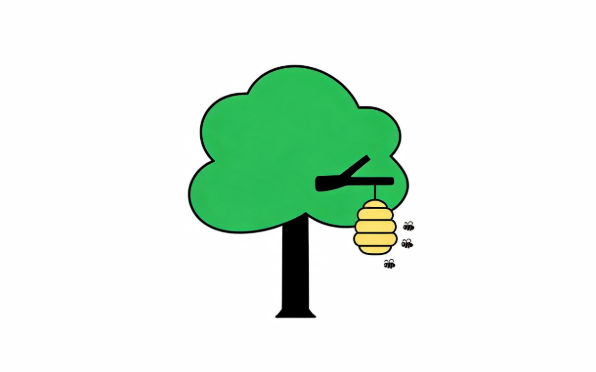
For years, we’ve been told that education systems need to be more “resilient”. Resilient curriculum. Resilient assessment. Resilient students. In a world of AI, that sounds reassuring, but it quietly sets the wrong ambition. Resilience, in the way we usually use it, means being able to withstand shocks and stay the same. The problem is that AI is not a one‑off storm. It is a permanent change in the climate.
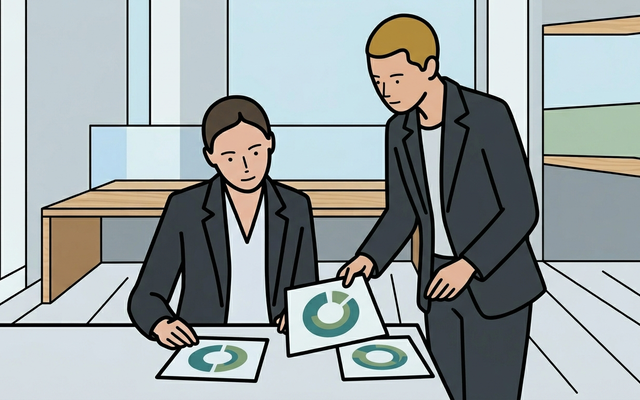
UbD (Understanding by Design®) encourages teachers to design authentic performance tasks: essays, presentations, podcasts, investigations, portfolios, prototypes, and other complex responses that make big ideas visible. But when that work has to be judged, the system often falls back on tools and habits better suited to narrower, more standardised forms of assessment.
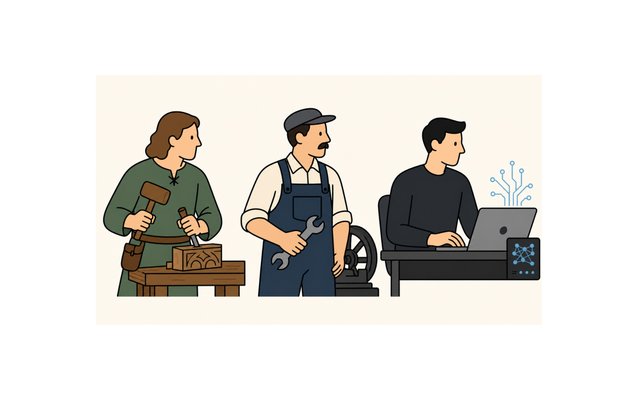
Walk into a medieval guildhall and a modern AI lab and, on the surface, they could not be more different. One smells of timber, leather and metal; the other of coffee and electronics. Yet both are wrestling with the same underlying question: how does a community grow and protect its shared sense of what “good” looks like – and keep that sense of quality alive when everything around it is changing?

The craft guilds of medieval Europe such as goldsmiths, weavers, stonemasons and apothecaries are often remembered as protectionist trade associations. That reputation is not entirely undeserved. But it obscures something more important: they were the most sophisticated knowledge transmission institutions the pre-modern world produced.
We continue to push forward with our work in ➿RM Compare|📳Live NOW, driven largely by user feedback. What to know more and take part? Get in touch. We have introduced a new Catalogue feature. In addition there is new Guild Knowledge functionality.

Rick Rubin once said that professional wrestling is “real” and everything else is fake. Wrestling is honest about its kayfabe – the shared pretence that what you’re watching is a contest, even though everyone involved knows it’s scripted. The fiction is part of the product.
Across most established curricula, something important already exists but is rarely named. Over time, teachers, examiners, parents and students have built a shared intuition for what “good” looks like: what a strong essay feels like, what a secure piece of maths work looks like, what “ready for the next stage” means in a subject. That shared intuition is what we have been calling Guild Knowledge.
In the previous posts, we explored what Guild Knowledge is (the tacit, experience‑based ability to recognise quality) and showed what the research says about how it can be developed through Learning by Evaluating. This post makes the organisational case: what happens when Guild Knowledge is absent, why conventional responses make it worse, and how to build it deliberately and at scale.